
Latest posts
-
Children Growing Up With AI: A Parent’s Guide to the Benefits, Risks, and Mental Health Effects

Children growing up with AI have something no earlier generation had: a tool that talks back, answers instantly, and can act like a friend. For most kids, everyday uses like homework help or asking a chatbot a curious question appear to carry modest risk when an adult stays involved. The bigger concerns are emotional attachment…
-
Journaling for AI Anxiety: A Practical Guide for Workers Worried About Job Loss

Journaling for AI anxiety works best as a structured exercise rather than a free-form vent. Writing your worries down at a set time, checking them for worst-case thinking, and sorting what you can control from what you can’t may help interrupt the mental loop that keeps job-loss fears running all day. It won’t tell you…
-
Brain Rot vs Digital Addiction: What’s the Difference?

The difference between brain rot vs digital addiction comes down to clinical status and real-world impact. “Brain rot” is internet slang for the foggy, scattered feeling that can follow hours of short, low-effort content, and it is not a medical diagnosis. Digital addiction is a broader everyday term rather than a single formal diagnosis; the…
-
What Is Digital Overload and Why Does It Drain You?
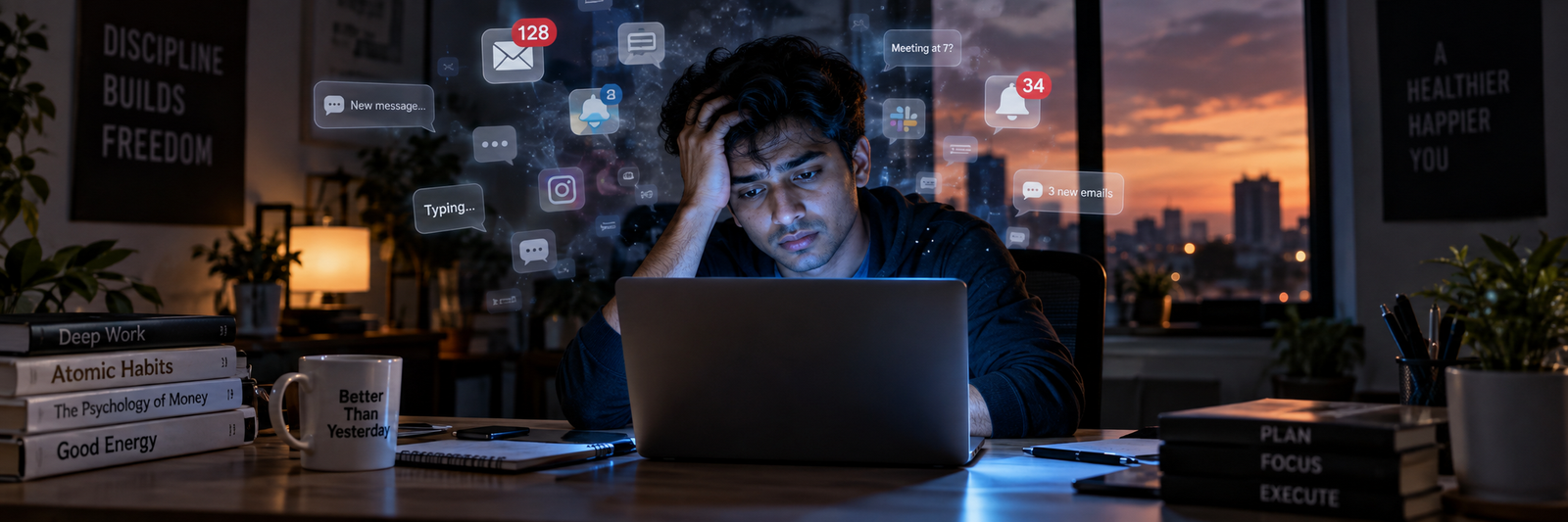
Digital overload happens when your brain takes in more screens, notifications, and digital decisions than it can process — leaving you mentally foggy, irritable, and wiped out even after a full night’s sleep. It’s not about willpower or discipline. It’s a nervous system response to nonstop input, and it’s become the default state for anyone…
-
How to Stop Doomscrolling: A Simple Recovery Guide for Beginners
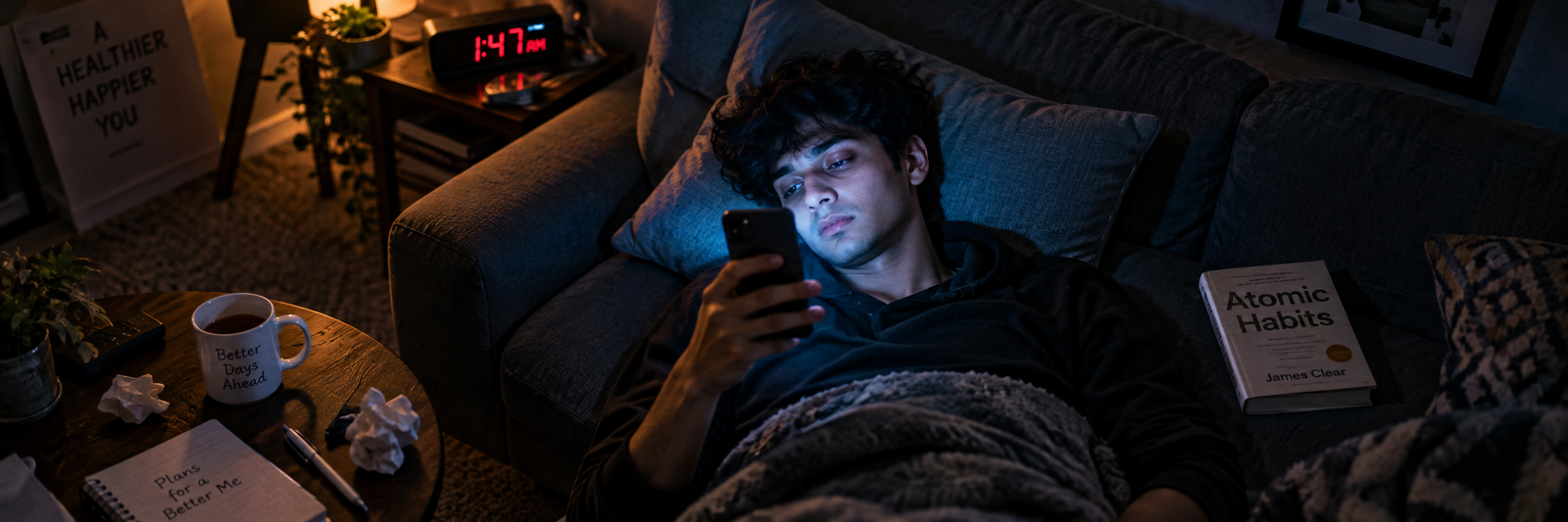
You pick up your phone to check one notification. Forty-five minutes later you’re three articles deep into something upsetting, your neck hurts, and you have no idea how you got there. That’s doomscrolling, and if you’re looking for a doomscrolling recovery guide for beginners, here’s the short version: you don’t need more willpower, you need…
-
How to Start a Digital Detox: A Simple Guide for Busy, Stressed Adults

If you’ve picked up your phone twelve times in the last hour without meaning to, this is for you. Learning how to start a digital detox doesn’t mean deleting every app and disappearing to a cabin for a week. It means setting a few specific, sustainable limits around your phone so you can actually finish…
-
How Stress Affects Your Gut Health: The Science Behind the Gut-Brain Connection
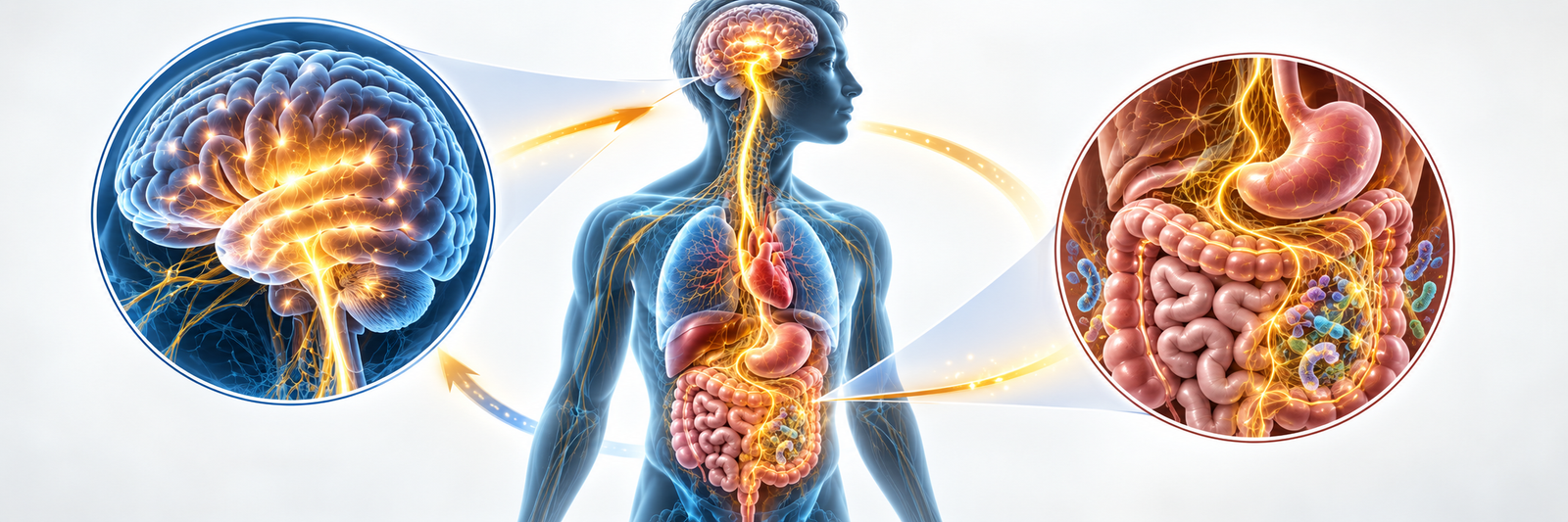
If you’ve ever had a big presentation and felt your stomach twist into knots, or dealt with weeks of bloating during a rough patch at work, you already know the answer to how does stress affect your gut health — it’s real, it’s measurable, and it’s not “all in your head.” Stress triggers your brain…
-
How Deep Breathing Reduces Cortisol Levels Naturally

Deep breathing reduces cortisol by activating your vagus nerve and switching your nervous system from “fight or flight” mode into “rest and digest” mode. Slow, diaphragmatic breaths — especially with longer exhales than inhales — send a direct signal to your brain that the danger has passed, which can lower cortisol output within minutes [Study…
-
Does Social Media Really Hurt Productivity?
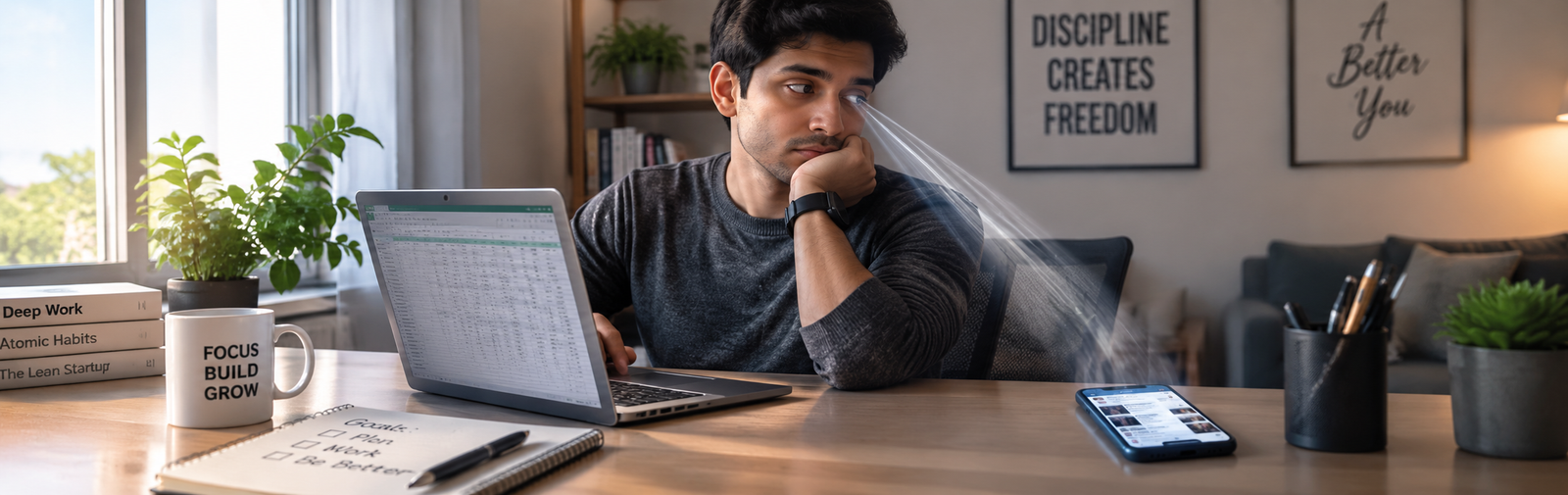
Yes — social media really does hurt productivity, but probably not for the reason you think. It’s not just the minutes you lose scrolling. It’s the mental “reset tax” your brain pays every time you switch from deep work to a feed and back again, which research suggests can take over 20 minutes to recover…
-
Can Stress Really Cause Gut Problems?
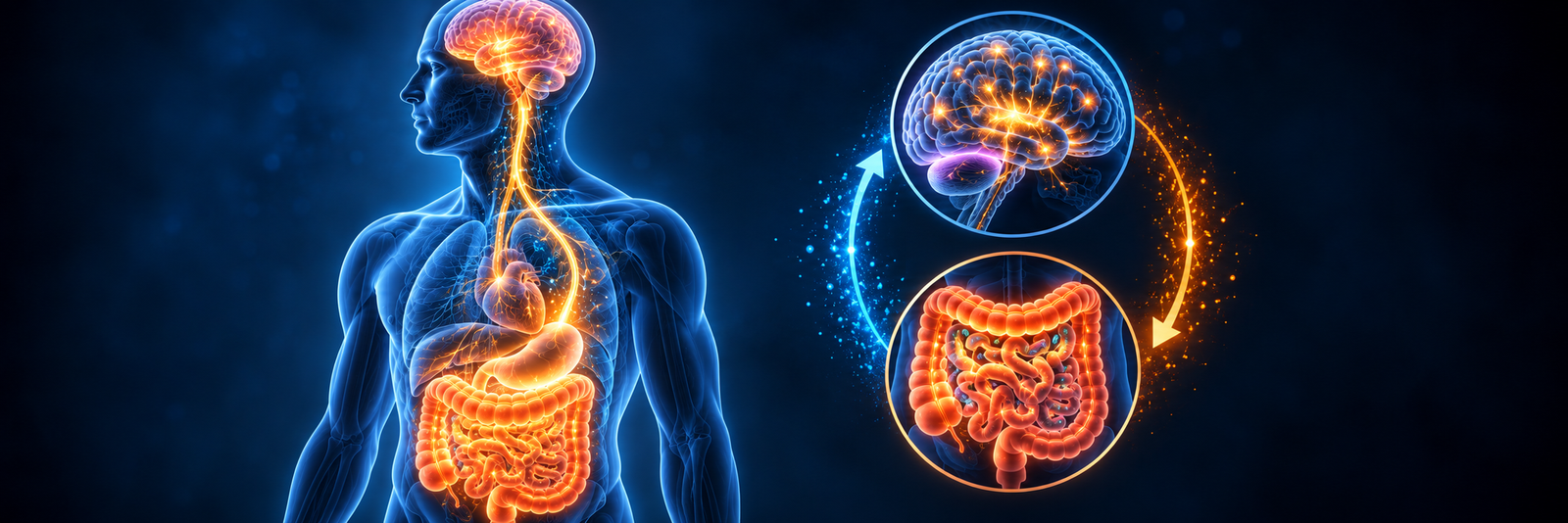
Short answer: yes, and it’s not “all in your head.” Stress triggers real, measurable changes in your gut — slower or faster digestion, more inflammation, a shift in gut bacteria, and a nervous system that’s stuck signaling “danger” to your digestive tract. If you’ve had unexplained bloating, cramping, or IBS-like flares during a stressful stretch…