
Latest posts
-
Can a Digital Detox Improve Your Mental Health?

Yes — a digital detox can improve your mental health, but not because your phone is evil. Cutting back on screens, especially social media and email, may improve some aspects of mental health. Experimental research has found that reducing social-media use can improve well-being and reduce symptoms of depression and anxiety. Lambert et al. (2022)…
-
9 Digital Detox Habits for Better Mental Health

If you’re waiting for a free week to do a “real” digital detox, you’ll be waiting a long time. The most useful digital detox habits aren’t a retreat or an app ban — they’re small, repeatable changes you can slot into a normal Tuesday, like muting notifications during focus blocks or leaving your phone in…
-
5 Ways Stress Damages Your Gut Health

Stress and gut health are more connected than most people realize — when you’re stressed, your body triggers a fight-or-flight response that pulls blood and energy away from digestion and disrupts the nerves, hormones, and bacteria that keep your gut running smoothly. Over time, that connection between stress and gut health shows up as bloating,…
-
7 Ways Social Media Hurts Your Productivity
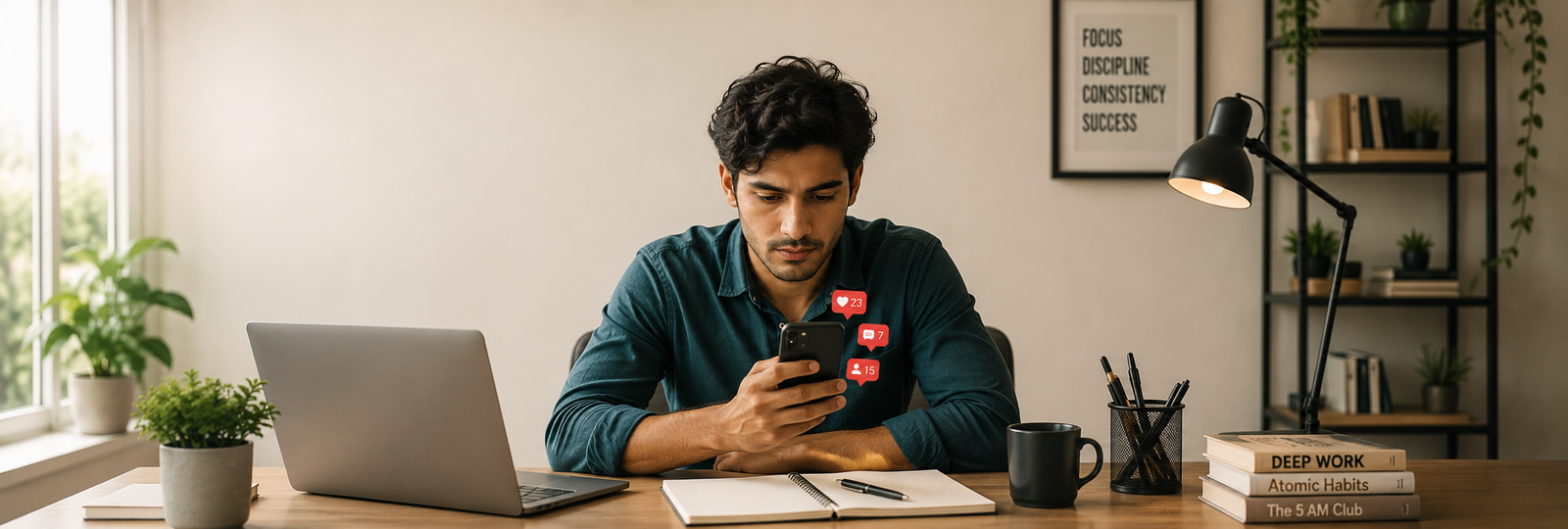
Social media productivity loss isn’t about willpower — it’s about how these apps are built. Every scroll, notification, and red badge is designed to pull your attention away from deep work, and it works on smart, disciplined people just as well as anyone else. The fix isn’t quitting Instagram cold turkey; it’s understanding exactly where…
-
7 Deep Breathing Techniques to Lower Stress Hormones (Backed by Science)

You’re mid-inbox, your jaw is tight, and your heart’s doing that shallow, fast thing again. Here’s the short version: specific deep breathing techniques to lower cortisol — like box breathing, extended exhales, and physiological sighs — work by activating your vagus nerve and shifting your body out of fight-or-flight mode. Most take under five minutes,…
-
7 Signs of Digital Overload You Shouldn’t Ignore
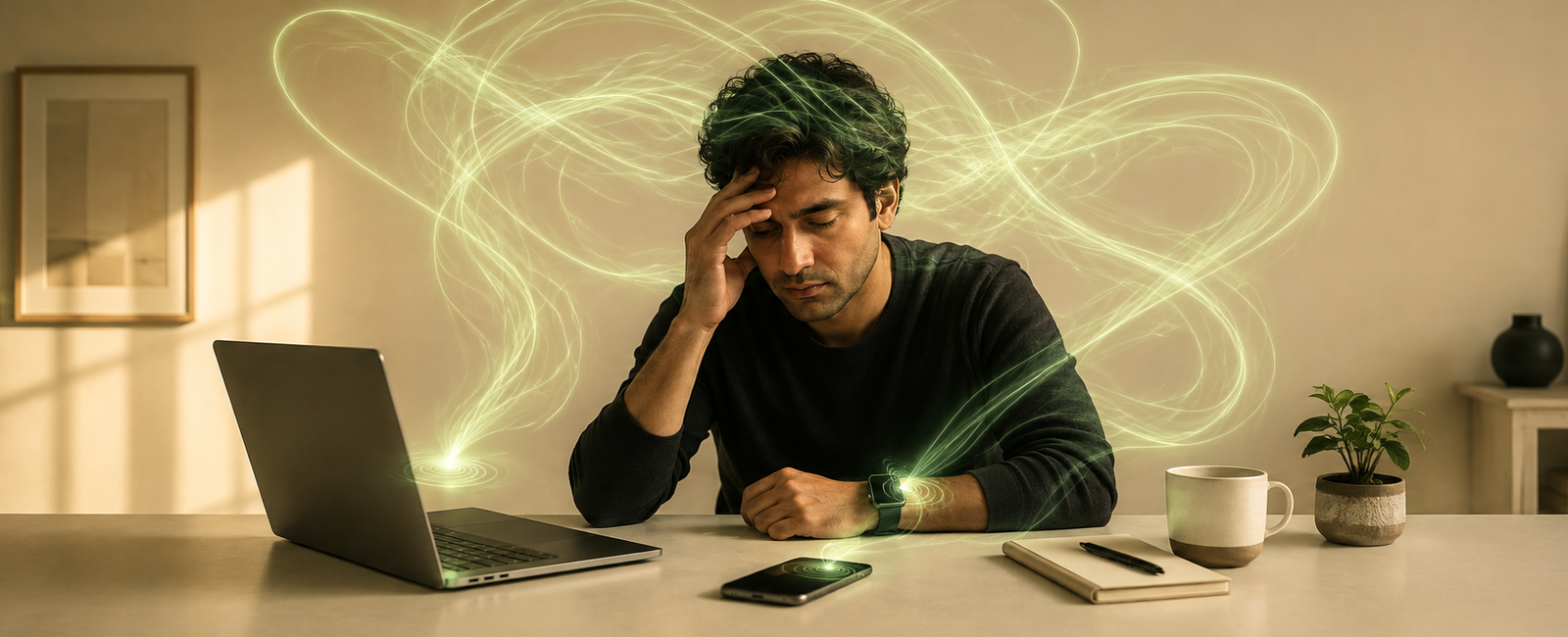
If you’re reading this on your third screen of the day, wondering why you feel wired and exhausted at the same time — that’s not just “being busy.” The most common signs of digital overload are trouble focusing on one task, irritability when notifications hit, eye strain or headaches by mid-afternoon, trouble falling asleep even…
-
5 Hidden Risks of Doomscrolling No One Talks About
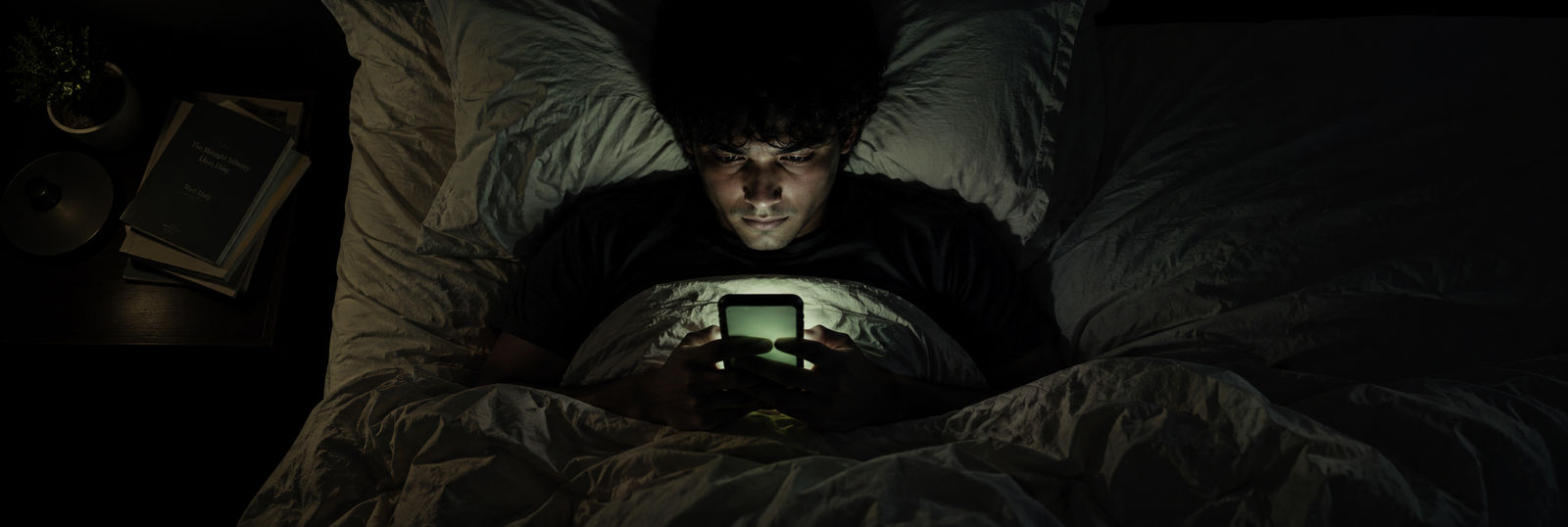
You already know doomscrolling is bad for you. What you probably don’t know is why — and the real answer has less to do with willpower and more to do with brain chemistry. Doomscrolling effects range from disrupted sleep architecture to a genuinely altered stress response, and most of them are happening below the level…
-
9 Proven Ways to Stop Overthinking Today (That Actually Work)

If you’ve replayed a text message conversation for the fortieth time this week, you already know how exhausting overthinking is. The fastest way to stop overthinking is to interrupt the thought loop with a physical or sensory action — not to “just relax” or think your way out of it, which almost never works. Techniques…