
Practical support for stress, focus, sleep and digital wellbeing, with simple techniques backed by science.
-

Children Growing Up With AI: A Parent’s Guide to the Benefits, Risks, and Mental Health Effects
Children growing up with AI have something no earlier generation had: a tool that talks back, answers instantly, and can…
-

Journaling for AI Anxiety: A Practical Guide for Workers Worried About Job Loss
Journaling for AI anxiety works best as a structured exercise rather than a free-form vent. Writing your worries down at…
-

Brain Rot vs Digital Addiction: What’s the Difference?
The difference between brain rot vs digital addiction comes down to clinical status and real-world impact. “Brain rot” is internet…
-

What Is Digital Overload and Why Does It Drain You?
Digital overload happens when your brain takes in more screens, notifications, and digital decisions than it can process — leaving…
-

How to Stop Doomscrolling: A Simple Recovery Guide for Beginners
You pick up your phone to check one notification. Forty-five minutes later you’re three articles deep into something upsetting, your…
-

How to Start a Digital Detox: A Simple Guide for Busy, Stressed Adults
If you’ve picked up your phone twelve times in the last hour without meaning to, this is for you. Learning…
-
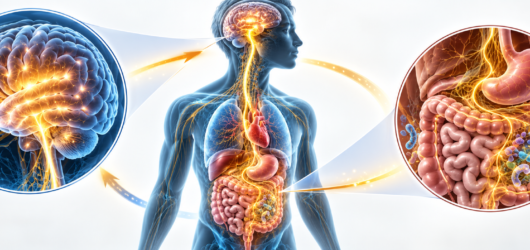
How Stress Affects Your Gut Health: The Science Behind the Gut-Brain Connection
If you’ve ever had a big presentation and felt your stomach twist into knots, or dealt with weeks of bloating…
-

How Deep Breathing Reduces Cortisol Levels Naturally
Deep breathing reduces cortisol by activating your vagus nerve and switching your nervous system from “fight or flight” mode into…
-

Does Social Media Really Hurt Productivity?
Yes — social media really does hurt productivity, but probably not for the reason you think. It’s not just the…