The main causes of zinc deficiency are low zinc intake, plant-heavy diets high in phytates, digestive conditions that limit absorption, heavy alcohol use, certain medications, chronic diseases that increase zinc loss, and life stages that raise your needs. Severe zinc deficiency is uncommon in developed countries, but the risk of inadequate zinc status is higher in certain groups, including people with gastrointestinal disorders, those following vegetarian or vegan diets, and people with certain chronic conditions. NIH Office of Dietary Supplements: Zinc Fact Sheet for Health Professionals.
Below, you’ll find how each cause works, who is most at risk, and why it makes sense to talk to a doctor before reaching for high-dose supplements.
Key Takeaways
- US adult RDA: 11 mg per day for men and 8 mg for women, rising to 11 mg in pregnancy and 12 mg while breastfeeding (adults 19+).
- Vegetarians may need up to 50% more zinc than the RDA, because compounds in grains and legumes reduce absorption.
- Absorption and loss matter as much as intake. Gut disease, weight-loss surgery, and heavy drinking can lower zinc even when your diet looks adequate.
- Some common medications are linked to zinc loss, including thiazide diuretics used for blood pressure.
- Symptoms like hair thinning, slow wound healing, and taste changes have many possible causes. On their own, they don’t confirm low zinc.
- The US upper limit of 40 mg per day for adults is a safety ceiling, not a target. Long-term intake above it can cause copper deficiency.
Source: NIH Office of Dietary Supplements — Zinc Fact Sheet for Health Professionals.
The 7 Causes of Zinc Deficiency at a Glance
| Cause | How it lowers zinc | Who it most often affects |
| 1. Low intake | Not enough zinc coming in | Restrictive dieters, some older adults |
| 2. High-phytate diets | Less zinc absorbed from food | Vegetarians, vegans |
| 3. Digestive conditions and surgery | Poor absorption, extra losses | People with Crohn’s, celiac disease, bariatric surgery |
| 4. Heavy alcohol use | Lower absorption, more lost in urine | People who drink heavily over time |
| 5. Medications | Increased excretion or binding | People on thiazide diuretics, penicillamine |
| 6. Chronic diseases | Higher losses or altered metabolism | Kidney disease, liver disease, diabetes, sickle cell disease |
| 7. Higher-need life stages | Needs rise faster than intake | Pregnant and breastfeeding women, older adults |
1. Low Zinc Intake From Food
The simplest cause is not eating enough zinc. Your body has no large, easy-to-access zinc store, so it depends on a steady daily supply.
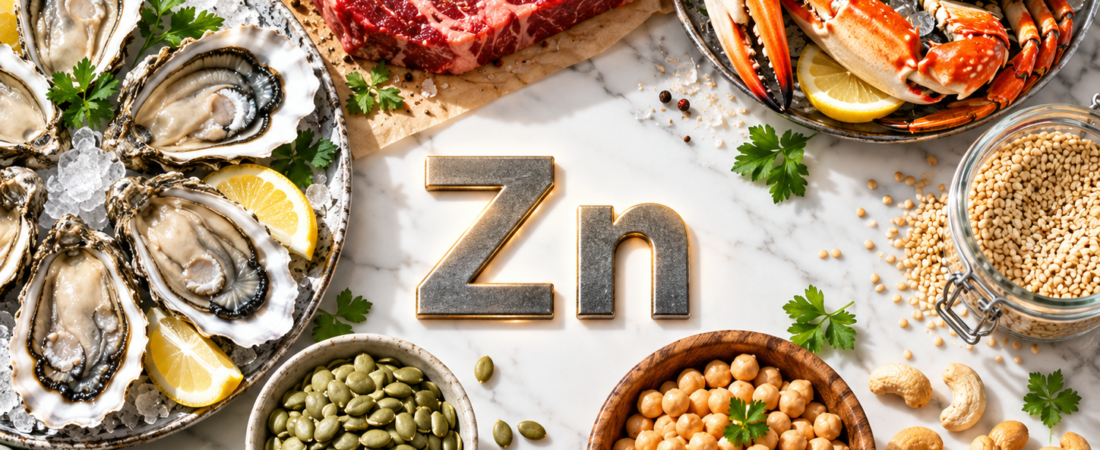
The richest sources are oysters, red meat, poultry, crab, and lobster, with smaller amounts in beans, nuts, whole grains, dairy, and fortified breakfast cereals. Diets that cut out whole food groups, very low-calorie diets, and small appetites in older age can all push intake below needs.
If you rarely eat animal foods or fortified cereals and don’t eat many legumes or seeds, your intake may be lower than you think. A few days of food tracking is a cheap way to find out.
2. Plant-Heavy Diets High in Phytates

Phytates (phytic acid) are natural compounds in whole grains, legumes, nuts, and seeds. They bind to zinc in the gut and reduce how much your body absorbs.
This is why vegetarians and vegans are a recognized risk group, even when their diets are otherwise healthy. Plant foods contain zinc, but less of it gets absorbed than from meat or seafood.
Food preparation can help. Soaking, sprouting, and fermenting grains and legumes can reduce phytate content, which may improve zinc availability. The NIH Office of Dietary Supplements explains zinc absorption and the lower bioavailability of zinc in plant-based diets.
3. Digestive Conditions and Gut Surgery
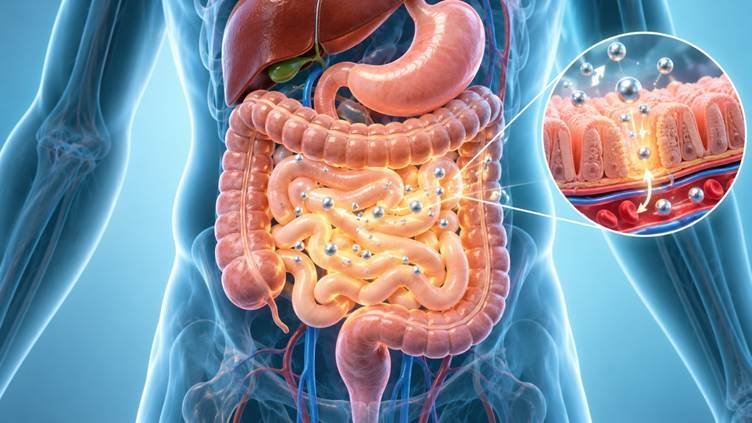
Most zinc is absorbed in the small intestine, so conditions that damage or bypass it can reduce absorption. These include Crohn’s disease, ulcerative colitis, celiac disease, and short bowel syndrome. Chronic diarrhea adds to the problem because zinc is also lost in stool.
Bariatric (weight-loss) surgery is another recognized risk, especially procedures that can cause malabsorption. The American Society for Metabolic and Bariatric Surgery (ASMBS) nutritional guidelines recommend monitoring zinc status in appropriate post-surgery patients and emphasize careful zinc replacement to avoid inducing copper deficiency.
If you have one of these conditions, your care team is the best source for testing and supplement advice, since your needs may differ from standard recommendations.
4. Heavy Alcohol Use
Alcohol reduces zinc absorption in the gut and increases the amount lost in urine. Heavy drinkers also often eat less nutritious food overall, which lowers intake at the same time.
Low zinc status has been observed in approximately 30% to 50% of people with long-term heavy alcohol use. The National Academies’ Dietary Reference Intakes report notes that long-term alcohol consumption can impair zinc absorption and increase urinary zinc losses. Moderate drinking is much less clearly linked to zinc deficiency, so this risk mainly concerns sustained heavy use.
5. Medications That Can Cause Zinc Deficiency

Several medications can lower zinc levels, mainly by increasing how much the body excretes. The best-established examples are:
- Thiazide diuretics (such as hydrochlorothiazide and chlorthalidone), used for high blood pressure and fluid retention, increase zinc loss in urine.
- Penicillamine, used for Wilson’s disease and some cases of rheumatoid arthritis, can bind zinc. Zinc supplements can also reduce how well penicillamine works.
Evidence for other drug classes is less settled. Some studies have reported changes in zinc status with ACE inhibitors, angiotensin receptor blockers (ARBs), and long-term proton pump inhibitors (PPIs), but the evidence is limited and inconsistent. One human study found that long-term PPI use was associated with lower plasma zinc levels and reduced uptake of supplemental zinc, but this does not establish PPIs as a universal cause of zinc deficiency.
Don’t stop or change a prescription because of zinc concerns. If you take one of these medications long term and have possible symptoms, ask your doctor or pharmacist whether checking your zinc status makes sense.
6. Chronic Diseases That Increase Zinc Loss
Some long-term conditions raise the risk of low zinc through extra losses or changes in how the body handles the mineral:
- Chronic kidney disease, especially in people on dialysis
- Chronic liver disease, including cirrhosis
- Diabetes, which is associated with higher zinc loss in urine, though its clinical importance for most people with diabetes is still being studied
- Sickle cell disease, in which zinc deficiency has been reported in a substantial proportion of patients. For example, one study found zinc deficiency in 60% of children with sickle cell disease. PubMed: study of zinc deficiency in children with sickle cell disease.
In these cases, low zinc is usually managed as part of the wider condition, not treated separately with off-the-shelf supplements.
7. Pregnancy, Breastfeeding, and Older Age

Pregnancy and breastfeeding raise zinc needs to support the baby’s growth and milk production. If intake doesn’t rise to match, marginal zinc status becomes more likely.
In an analysis of NHANES 2011–2018 data, about 21% of U.S. adults age 60 and older had zinc intakes below the Estimated Average Requirement (EAR). NHANES 2011–2018 analysis of nutrient adequacy in older adults.
Who Is at Risk of Zinc Deficiency?
Most zinc deficiency risk factors don’t cause problems on their own. Risk climbs when they stack, such as a vegan who is also pregnant, or an older adult on a thiazide diuretic with a small appetite.
You may be at higher risk if you:
- Eat little or no meat, seafood, or fortified cereal
- Have Crohn’s disease, ulcerative colitis, celiac disease, or chronic diarrhea
- Have had bariatric surgery
- Drink heavily on a regular basis
- Take a thiazide diuretic or penicillamine long term
- Have kidney disease, liver disease, diabetes, or sickle cell disease
- Are pregnant or breastfeeding
For reference, here’s how daily zinc recommendations compare across two of our main reader markets. Canada uses the same values as the US.
| Group (adults) | US/Canada RDA | UK RNI |
| Men | 11 mg | 9.5 mg |
| Women | 8 mg | 7 mg |
| Pregnancy | 11 mg | 7 mg (no increase) |
| Breastfeeding | 12 mg | Higher than 7 mg; varies by months postpartum |
Sources: NIH Office of Dietary Supplements — Zinc Fact Sheet and NHS — Vitamins and minerals: Zinc.
Australia’s recommendations differ from those used in the US, Canada, and UK. Australian readers can refer to the NHMRC Nutrient Reference Values for Australia and New Zealand for the official zinc recommendations by age and sex. These reference values are population-level guidance rather than precise individual targets.
When to See a Doctor About Zinc
Talk to a doctor if you have ongoing symptoms such as slow wound healing, unexplained hair loss, frequent infections, reduced appetite, or changes in taste or smell, especially if you also have one of the risk factors above. These symptoms overlap with iron deficiency, thyroid problems, and many other conditions, so a proper assessment matters more than guessing.
Testing isn’t straightforward. Blood (plasma or serum) zinc is the most common test, but results can shift with inflammation, recent meals, and time of day, so they don’t always reflect your true zinc status. The NIH Office of Dietary Supplements discusses zinc biomarkers and their limitations. Doctors usually interpret the result alongside your diet, symptoms, and medical history.
Get prompt medical care for severe or worsening symptoms, significant unexplained weight loss, or persistent diarrhea.
Why More Zinc Isn’t Automatically Better
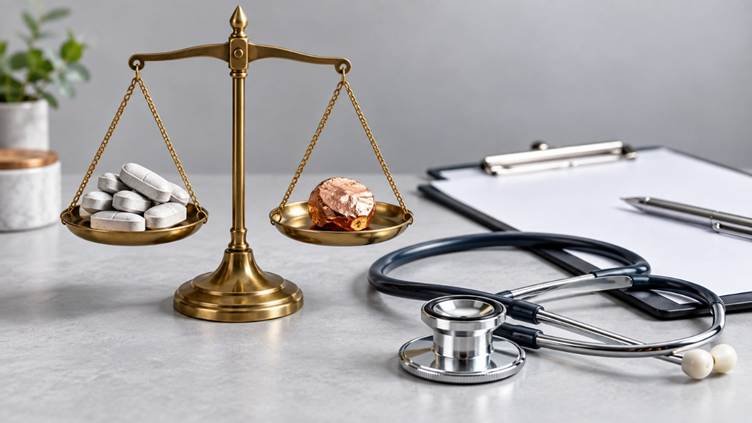
It’s tempting to start a high-dose zinc supplement “just in case.” The problem is that zinc competes with copper for absorption, and taking too much for too long can cause copper deficiency. This can lead to anemia and other health problems. NIH Office of Dietary Supplements — Zinc Fact Sheet.
In the US, the Tolerable Upper Intake Level (UL) for adults is 40 mg per day from food and supplements combined. The NHS advises adults not to take more than 25 mg of zinc from supplements per day unless a doctor recommends it. These are safety limits, not amounts to aim for.
Higher doses are sometimes used to treat confirmed deficiency, but that’s a medical decision with monitoring. Zinc supplements can also reduce absorption of some antibiotics, including quinolones and tetracyclines, so check with a pharmacist if you take regular medication. NIH Office of Dietary Supplements — Zinc and medication interactions.
Frequently Asked Questions
What blocks zinc absorption?
Phytates in whole grains, legumes, nuts, and seeds are an important dietary factor that can reduce zinc absorption. High-dose iron supplements can also interfere with zinc absorption when taken together. If you take both zinc and iron supplements, ask your doctor or pharmacist whether separating them is appropriate. NIH Office of Dietary Supplements — Zinc Fact Sheet.
Can you be low in zinc even if you eat a healthy diet?
Yes. A diet can look balanced and still leave someone short if they absorb zinc poorly or lose more than usual. Gut conditions, heavy drinking, certain medications, and chronic diseases can all do this, which is why diet alone doesn’t rule out low zinc.
Is a multivitamin enough to cover zinc?
Many multivitamins contain zinc, and the amount varies by product, so check the label. A multivitamin may be a reasonable safety net for people with lower dietary intake, but it isn’t a treatment for confirmed deficiency. Adding one on top of a separate zinc supplement can also push total intake higher than you realize.
Do zinc lozenges for colds count toward the upper limit?
Yes. Zinc from lozenges, syrups, and cold remedies counts toward your total daily intake. Using them frequently for days at a time, on top of a supplement or multivitamin, can take total intake above the UL, so read labels and add up your sources.
Which foods have the most zinc?
Oysters contain far more zinc per serving than most other common foods. Beef, crab, lobster, pork, and chicken are also good sources, while pumpkin seeds, chickpeas, cashews, dairy products, and fortified cereals contribute smaller amounts. NIH Office of Dietary Supplements — Zinc Fact Sheet.
Conclusion
Zinc deficiency rarely has a single cause. It usually comes down to three questions: are you taking in enough, are you absorbing it, and are you losing more than usual? Diet, gut health, alcohol, medications, chronic conditions, and life stage each affect one or more of those.
If several risk factors apply to you and you have symptoms, a conversation with your doctor about testing is a better first step than a high-dose supplement. Meanwhile, including zinc-rich foods and using soaking or sprouting for grains and legumes are low-risk ways to improve your intake.